Wife. Mom. Boss. Svg Design: An Embroidery Review
As a professional embroidery designer and product reviewer, I approach every new digital asset with a critical eye toward stitchability and marketability. When evaluating the Wife. Mom. Boss. Svg Design, my primary focus is not just on its aesthetic appeal as a graphic, but on how it translates from screen to fabric. This design carries a specific cultural weight and visual identity that resonates deeply with modern makers and entrepreneurs. It speaks to the multifaceted lives of women balancing family, partnership, and business. However, before loading this file into your machine or listing a finished product in your Etsy shop, it is essential to understand how this vector art performs in a real-world embroidery environment.
First Impressions and Visual Personality
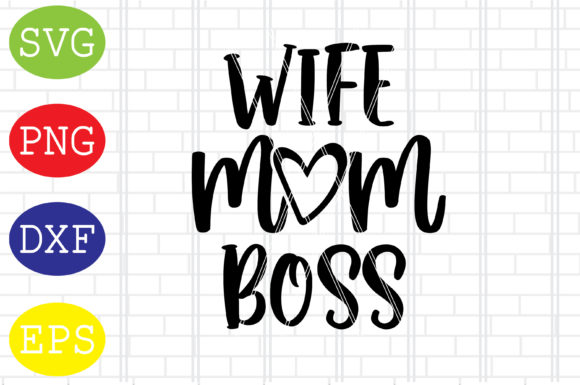
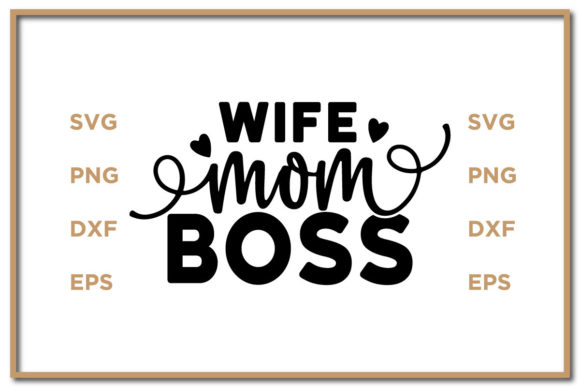
Upon opening the .zip file containing the DXF, SVG, PNG, and EPS formats, the immediate impression is one of bold, declarative typography. The layout suggests a stacked or linear arrangement that commands attention. As a graphics asset, it is clean and scalable, which is vital for digitizing. The mood is empowering yet grounded, making it an ideal candidate for lifestyle apparel and functional accessories. Unlike overly ornate scripts that can become muddy when stitched, this design likely relies on strong lines and clear negative space. For a crafter or small business owner, this visual clarity is a massive advantage. It ensures that the message remains legible even at smaller sizes or when viewed from a distance on a tote bag or sweatshirt.
Real-World Application: The Custom Sweatshirt Test
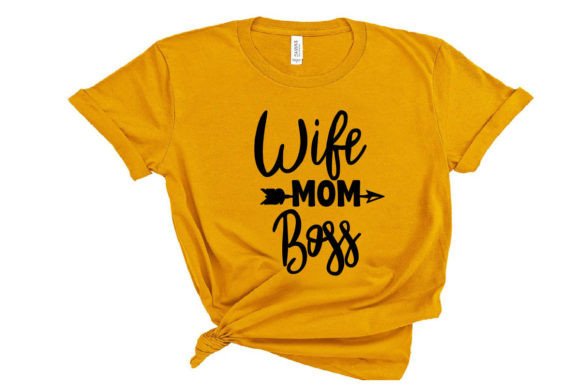
To truly evaluate this design, I mentally placed it in a current best-selling scenario: a custom embroidered crewneck sweatshirt for a boutique collection. In this context, the Wife. Mom. Boss. Svg Design serves as more than just decoration; it is a branding element for the wearer. When digitizing this for fleece or French terry fabric, the texture of the material becomes a variable. Fleece has a pile that can swallow fine details. Therefore, if you are converting this SVG into a machine embroidery design, you must consider using a slightly thicker satin stitch or adding a running stitch underlay to anchor the fabric pile before the top stitches lay down.
I envision this design centered on the chest or placed as a subtle left-chest logo. For a personalized gift targeting new mothers or female entrepreneurs, the placement dictates the hoop size. A 4x4 hoop might suffice for a pocket-sized version, but a full-frontal statement piece would require a 5x7 or larger field. The versatility of having both EPS and DXF files means you can resize the source vector without losing edge quality before importing it into your embroidery software. This flexibility is crucial for maintaining professional standards across different garment sizes, from baby embroidery on onesies to oversized adult hoodies.
Navigating Fabric Challenges and Stabilization
While the design is versatile, certain applications require caution. If you are applying this to a stretchy knit t-shirt or a ribbed tank top, the stability of the design is paramount. Text-based designs like "Wife. Mom. Boss." can distort if the fabric shifts during stitching. I strongly recommend using a high-quality cut-away stabilizer rather than tear-away for these garments. The permanent support prevents the letters from puckering after washing, preserving the integrity of the handmade product.
For items like caps or curved surfaces, the flat nature of an SVG file requires careful manipulation. You cannot simply hoop a cap and stitch a wide, horizontal line without accounting for the curve. In such cases, you may need to arc the text within your digitizing software or opt for a vertical stack layout to accommodate the limited vertical stitching area of a hat frame. Similarly, when working with textured fabrics like linen tea towels or canvas tote bags, test the stitch density. Too dense, and the fabric becomes bulletproof and stiff; too sparse, and the fabric shows through the thread. Always run a sew-out on scrap material that matches your final project's weight and weave.
Commercial Viability and Customer Perception
For Etsy sellers and craft business owners, the commercial viability of a design hinges on readability and emotional connection. The Wife. Mom. Boss. Svg Design hits a specific niche demographic effectively. However, customer trust is built on execution. A poorly stitched design with jumping threads, misaligned layers, or inadequate contrast will result in returns and negative reviews. When creating printable mockups for your listings, use the included PNG file to showcase the design clearly, but always pair it with photos of actual stitched samples. Buyers need to see how the thread colors interact with the fabric texture.
Consider the value proposition. A generic text design is common, but a professionally executed embroidery project elevates the perceived value. Using proper thread colors that complement the garment rather than clash with it demonstrates attention to detail. For example, white thread on a cream sweatshirt offers a tonal, high-end look, whereas bright pink on navy creates a bold, energetic vibe. Understanding color theory and fabric pairing is just as important as the digital file itself. This design asset provides the foundation, but your skill in material selection builds the brand.
Designer Notes for Optimal Results
Before committing this design to a commercial run or a cherished gift, adhere to these practical guidelines:
- Verify Licensing: Confirm whether your purchase includes commercial rights for selling finished physical products versus selling the digital embroidery file itself. These are distinct licenses.
- Test Stitch Density: If digitizing from the SVG yourself, adjust the density based on fabric type. Lightweight cottons need fewer stitches than heavy denim or canvas.
- Check Small Details: If the design includes periods or small decorative elements, ensure they are large enough to stitch cleanly. Tiny dots often get lost or cause needle breaks on textured fabrics.
- Mockup Reality: Use the PNG for digital previews, but never rely solely on software simulations. Real thread has sheen and thickness that pixels cannot replicate.
- Hoop Size Confirmation: Measure your available hoops before purchasing or digitizing. Resizing a text-heavy design significantly can alter stroke widths and spacing, potentially ruining the aesthetic balance.
- Thread Contrast: Always test visibility. Low-contrast combinations (e.g., grey thread on black fabric) may look elegant in a digital proof but disappear in natural lighting on a finished product.
Elevating the Finished Product
Ultimately, the Wife. Mom. Boss. Svg Design is a powerful tool for creators in the Crafts and Graphics categories. Its success in embroidery depends entirely on the maker’s technical proficiency and artistic judgment. Whether you are creating holiday embroidery for seasonal markets, custom apparel for a client’s business launch, or a sentimental baby embroidery gift, treat the digital file as a starting point, not the final destination. By respecting the mechanics of machine embroidery—from stabilizer choice to stitch direction—you transform a simple vector graphic into a tangible, high-value item that customers will cherish and wear with pride. Practical preparation is what separates hobbyist output from professional-grade merchandise.