Momster Halloween SVG: A Designer’s Stitch Review
As a professional embroidery digitizer and product reviewer, I approach every new graphic with a specific question: will this actually translate into a high-quality stitched product? When evaluating the Momster Halloween SVG, Mom Life SVG, my focus shifts immediately from the screen to the hoop. This design carries a distinct retro aesthetic that taps into current market trends, blending nostalgic Halloween vibes with relatable parenting humor. For craft business owners and Etsy sellers, this intersection of nostalgia and niche identity is where sales happen. However, translating a digital graphic intended for sublimation into a machine embroidery design requires careful technical consideration to ensure the final handmade product meets customer expectations.
Capturing the Retro Vibe in Thread
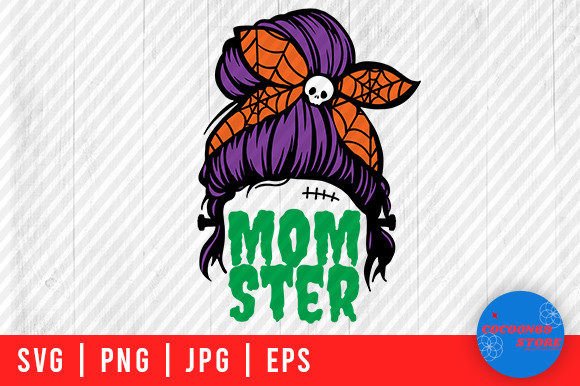
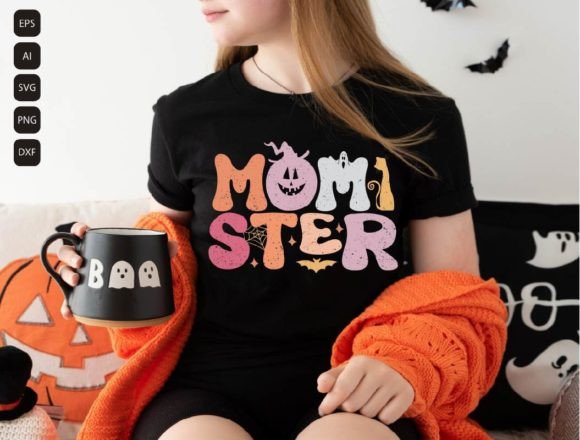
The first impression of this artwork is its bold, playful personality. The "Momster" concept naturally lends itself to vintage typography and slightly distressed textures, which are visually appealing on screen but present unique challenges for embroidery. In my studio, when I prepare custom apparel or sweatshirt embroidery featuring retro themes, I look for clean vector lines that can be converted into satin stitch or fill stitch without losing definition. This design succeeds in creating a mood that feels like a classic holiday tee rather than a generic seasonal print.
For an embroidered patch or tote bag design, the layout appears balanced enough to serve as a central focal point. The visual weight suggests it would work beautifully on medium-weight fabrics like cotton canvas or fleece. As a digital embroidery file source, it provides a strong foundation, but because the original description notes it is ready for subli (sublimation), makers must verify if they are working with a pre-digitized embroidery file or if they will need to trace and digitize the SVG themselves. If you are digitizing from scratch, prioritize preserving the retro font's integrity while simplifying overly complex distress marks that could cause thread breaks or excessive density.
Real-World Application: The Sweatshirt Test
To truly evaluate this asset, let’s consider a real-life scenario: creating a premium crewneck sweatshirt for a small shop product launch targeting millennial moms. This demographic values authenticity and comfort. When stitching the Momster Halloween SVG, Mom Life SVG onto a Gildan 18000 or similar fleece blank, the interaction between the design and fabric texture becomes critical.
In this application, I would treat the lettering as the primary element. Retro fonts often have varying stroke widths. For the thicker parts of the letters, a tatami fill stitch with a slight texture pattern works better than a dense satin stitch, which can become bulletproof and distort the garment. For thinner connecting lines, a running stitch or bean stitch adds durability without sinking into the fleece nap. The goal is a finished product that looks intentional and professional, not like a sticker ironed onto fabric. Customers trust handmade items that show an understanding of textile mechanics. If the design sinks too deep into the sweatshirt pile, the "Momster" text becomes illegible, diminishing the perceived value of the personalized gift.
Navigating Fabric Challenges and Hoop Sizes
While this design shines on stable knits, caution is required for other applications. I frequently see crafters attempt detailed graphics on stretchy baby clothes or thin tea towels without adequate preparation. Because this is marketed as a mom life graphic, many makers will want to use it for baby embroidery on onesies. Here, the stitch density must be managed aggressively. Heavy retro fills on lightweight jersey knit will cause puckering and stretching. Always use a cut-away stabilizer and consider topping to prevent stitches from disappearing into the fabric weave.
Hoop size selection also dictates success. If you plan to use this for cap embroidery, verify the vertical height of the design. Retro scripts often have tall ascenders and descenders that exceed standard cap frames. You may need to resize or reconfigure the layout to fit the curved surface without distorting the aspect ratio. Similarly, for kitchen towel projects, ensure the design placement accounts for hem thickness. Testing on scrap fabric is non-negotiable here. Run a test stitch-out on the exact material you intend to sell; what works on quilting cotton may fail completely on ribbed knit or terry cloth.
Commercial Viability for Makers and Sellers
For Etsy sellers and creative entrepreneurs, the Momster Halloween SVG, Mom Life SVG represents more than just a pretty picture; it is a potential revenue stream. However, commercial viability hinges on execution quality. Buyers browsing for holiday embroidery expect crisp details and vibrant thread colors. Before listing any finished product, create printable mockups that accurately represent how the embroidery will look, distinguishing it clearly from the sublimation version if you offer both. Transparency builds buyer engagement and reduces returns.
Furthermore, review your licensing terms carefully. The product description states no physical item is mailed and mentions sublimation use, but it does not explicitly detail commercial embroidery rights or digital resale restrictions. As a responsible business owner, confirm whether you can sell physical embroidered goods, digital embroidery files derived from this art, or both. Protecting your shop from copyright issues is as important as selecting the right thread colors. If the license permits, this design has excellent potential for coordinated collections—matching mom sweatshirts, toddler tees, and even embroidered patches for denim jackets.
Technical Checklist Before You Stitch
To ensure your project translates the digital charm of this graphic into tangible quality, follow these practical designer notes:
- Verify File Compatibility: Confirm you have a proper embroidery file format (.PES, .DST, .EXP) rather than just the raw SVG, unless you possess digitizing software and skills.
- Check Stitch Density: Retro designs can be dense. Reduce underlay on thick fabrics to prevent stiffness and needle deflection.
- Test Contrast: View the design in black and white before stitching. Ensure internal details remain visible without relying solely on color differences, especially for dark fabric backgrounds.
- Stabilizer Strategy: Match stabilizer weight to fabric, not just design size. Stretchy knits require cut-away; woven cottons may suffice with tear-away.
- Detail Inspection: Zoom in at 100% in your embroidery software. Any gaps smaller than 1mm may open up during washing. Adjust spacing manually if needed.
- Mockup Accuracy: Use realistic textures in your digital previews. Show customers the difference between the smooth subli print and the textured embroidery finish.
- Wash Testing: If selling baby embroidery or kitchen textiles, wash and dry your sample three times. Retro fills can shrink differently than base fabric; pre-shrinking or adjusting compensation is key.
Final Thoughts on Design Integrity
The Momster Halloween SVG, Mom Life SVG offers a fantastic opportunity for makers to tap into the lucrative retro-holiday niche. Its strength lies in its emotional resonance and trendy aesthetic. However, successful adaptation from a sublimation-ready graphic to a premium embroidered product demands respect for the medium. By prioritizing fabric compatibility, managing stitch density, and verifying commercial usage rights, you transform a simple digital download into a trusted, high-value inventory item. Whether you are crafting a personalized gift for a friend or stocking your boutique for the fall season, let technical precision guide your creativity. The result will be a piece that honors both the original artistry and the timeless craft of embroidery.