Mom’s Favorite SVG: A Designer’s Embroidery Review
As a professional embroidery designer and product reviewer, I approach every new digital asset with a critical eye. When evaluating Mom’s Favorite SVG, my primary concern is not just how the graphic looks on a screen, but how it translates into physical stitches on fabric. For fellow Etsy sellers, apparel decorators, and makers, the gap between a clean vector file and a successful finished product is where reputation is built or lost. This review breaks down the practical application of this design for real-world Crafts projects, focusing on stitchability, marketability, and production efficiency.
First Impressions and Visual Personality
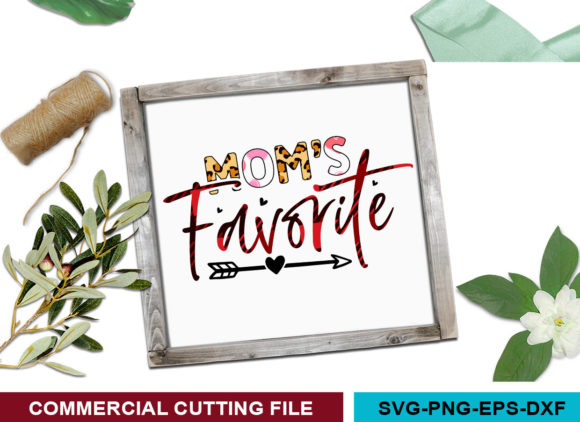
Upon opening the Mom’s Favorite SVG, the immediate impression is one of versatile warmth. The typography and layout strike a balance between nostalgic sentiment and modern readability, which is crucial for custom apparel and personalized gifts. Unlike overly ornate scripts that often turn into thread nests during digitization, this design features clean lines and distinct negative space. As a Graphics asset intended for multiple uses, its simplicity is its greatest strength for embroiderers. It avoids the trap of excessive detail that gets lost in translation from screen to needle.
The mood created by this design is inherently gift-oriented. It feels appropriate for Mother’s Day merchandise, new mom announcements, or boutique branding for family-centric businesses. However, visual appeal on a monitor does not guarantee success on a hoop. The true test lies in how these vectors behave when converted into a machine embroidery design.
Real-World Application: The Canvas Tote Bag Test
To properly evaluate this asset, I mentally applied it to a high-demand item in my shop: a heavyweight canvas tote bag. Totes are unforgiving; the fabric texture can swallow fine details, and customers expect durability. In this scenario, Mom’s Favorite SVG performs exceptionally well as a center chest or pocket placement.
For a tote bag design, I would utilize the SVG to create a combination of satin stitch borders and fill stitch interiors. The bold nature of the lettering allows for adequate column width, reducing the risk of thread breaks or tension issues common with thin fonts. If adapting this for an applique design, the shapes are distinct enough to accommodate tack-down stitches without fraying edges. This makes it ideal for sweatshirt embroidery or nursery decor where a textured, layered look adds perceived value to the handmade product.
From a business perspective, this design supports efficient production. Because the geometry is straightforward, it minimizes jump stitches and trims. For a small shop product line, reducing machine run time directly impacts profit margins. Furthermore, the legibility ensures that the message reads clearly from a distance, which is vital for craft fair displays and social media photography.
Navigating Fabric Limitations and Hoop Constraints
While Mom’s Favorite SVG is versatile, no design is universal. Experienced makers must recognize where caution is required. Based on the vector structure, here are specific environments where adjustments are necessary:
- Stretchy Knits and Baby Clothes: When using this for baby embroidery or lightweight tees, the design’s density must be managed. Heavy fill stitches on stretchy fabric cause puckering. You may need to reduce stitch density or use a lighter underlay to maintain garment drape.
- Textured Fabrics: On terry cloth towels or fleece blankets, fine running stitch details within the SVG may disappear. Consider adding a knockdown stitch layer beneath the design or simplifying internal elements to ensure clarity.
- Curved Surfaces: If adapting this for caps or curved sleeves, verify that the horizontal alignment remains true. Wide designs often distort on cylindrical hoops; you may need to arc the text slightly in your embroidery software before stitching.
- Small Hoop Sizes: Scaling down Mom’s Favorite SVG for 4x4 hoops requires vigilance. Text elements below 6mm height often become illegible. Always check minimum lettering standards before committing to small-scale items like bibs or patches.
- Dark Fabrics: Ensure sufficient contrast. If the design relies on subtle shading or tonal variation, it may fail on black or navy garments. High-contrast thread colors are essential for maintaining the design's integrity.
Impact on Product Value and Customer Trust
In the competitive landscape of Etsy seller markets and independent boutiques, presentation dictates price. A poorly executed embroidery file screams "amateur," regardless of the blank quality. Mom’s Favorite SVG contributes positively to brand consistency because of its balanced proportions. When customers see crisp, well-defined stitching on a printable mockup or a finished sample, trust increases.
This design also enhances giftability. For holiday embroidery or wedding parties, the aesthetic is sentimental without being cloying. It bridges the gap between personal meaning and commercial polish. For those selling digital embroidery files derived from this source (where licensing permits), providing accurate fabric recommendations and stabilizer guides alongside the file builds long-term buyer loyalty. Professionalism in the digital asset translates directly to professionalism in the physical output.
Essential Designer Notes for Production Success
Before loading Mom’s Favorite SVG into your machine for a client order or inventory build, adhere to these professional protocols. These steps separate hobbyists from sustainable business owners:
- Verify Licensing Terms: The product description mentions use for monograms, logos, and vinyl decals, but always confirm specific commercial embroidery rights. Ensure you are cleared to sell finished goods or modified digital assets before listing.
- Test Stitch on Target Fabric: Never assume screen perfection equals stitch perfection. Run a test on scrap material identical to your final project. Check for registration errors, especially if combining this SVG with other elements.
- Evaluate Stabilizer Pairing: Match your backing to the fabric weight. Cut-away stabilizer is generally safer for knits and apparel, while tear-away may suffice for stable woven totes. Incorrect stabilization is the most common cause of failure with otherwise good designs.
- Check Thread Color Contrast: View your proposed colorway in grayscale. If the design loses definition in black and white, it will lack pop in person. Adjust thread colors to ensure maximum visibility and impact.
- Review Stitch Density Settings: If you are digitizing this SVG yourself or modifying an existing embroidery file, avoid over-densifying. Standard fill density should be around 0.4mm to 0.5mm spacing depending on thread weight. Excessive density leads to stiff results and needle breaks.
- Create Accurate Mockups: Use the included PNG files to generate realistic previews for your listings. However, clearly label them as digital representations. Showing a photo of the actual stitched embroidered patch or garment significantly reduces customer disputes regarding texture and size.
- Confirm File Compatibility: While SVG and PNG are provided, ensure your embroidery software imports vectors cleanly. Sometimes nodes require optimization before generating PES, DST, or JEF formats to prevent jagged edges.
Final Verdict for Makers and Sellers
Mom’s Favorite SVG represents a solid foundation for a wide range of craft business applications. Its strength lies in its adaptability and clean aesthetic, making it suitable for everything from custom apparel to home decor. By respecting the technical limitations of embroidery and applying professional production standards, this design can become a reliable bestseller in your catalog. Remember that the value of any design asset is ultimately determined by the skill and care of the maker. Treat this file as a starting point for excellence, test thoroughly, and let your craftsmanship elevate the digital art into a cherished tangible keepsake.